2026

AirSense-Smart Air Quality Monitor
Entrant
Kaohsiung American School
Category
Medical / Scientific Equipment - Health and Environmental Technology
Client's Name
Country / Region:
Taiwan
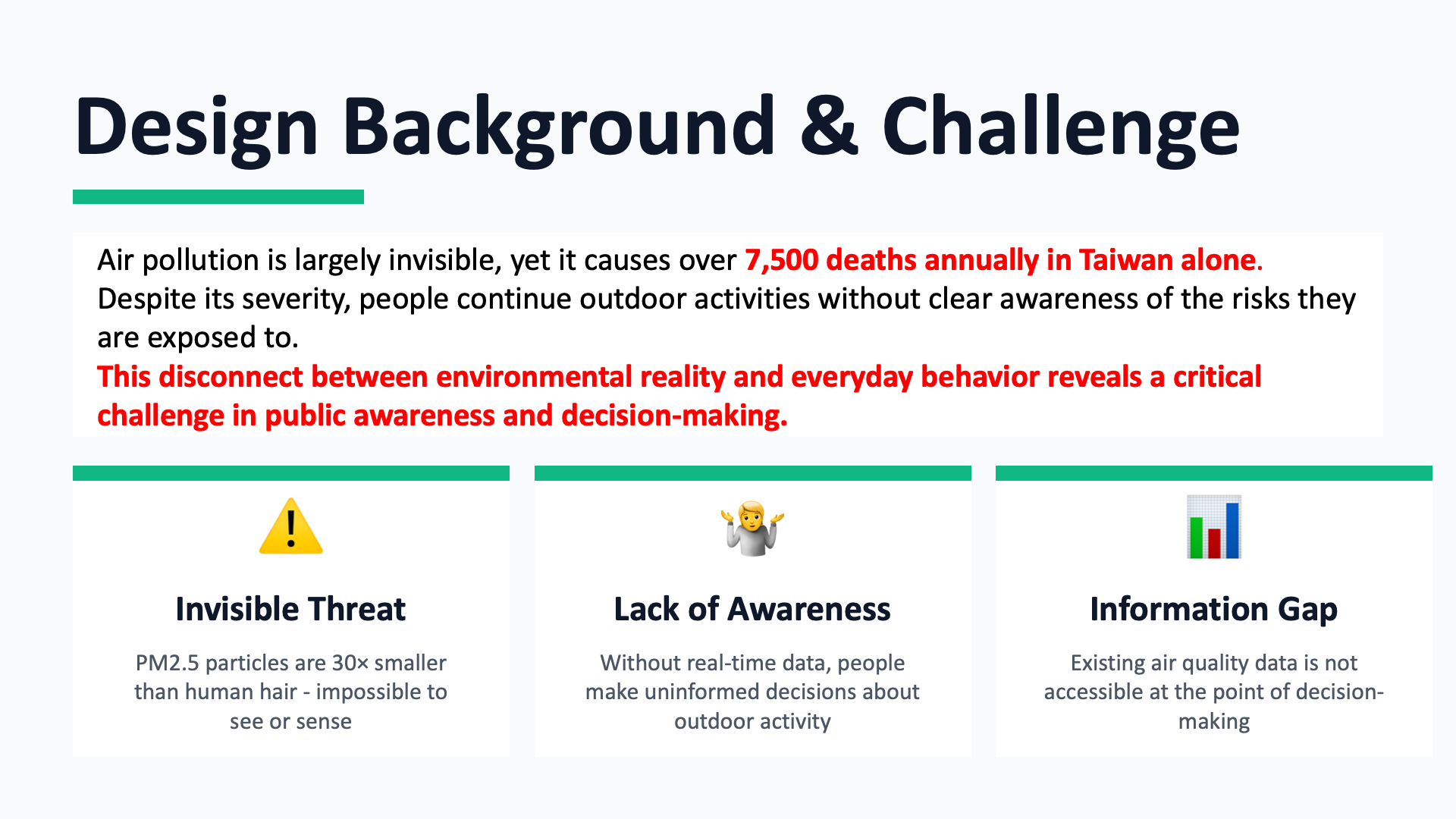
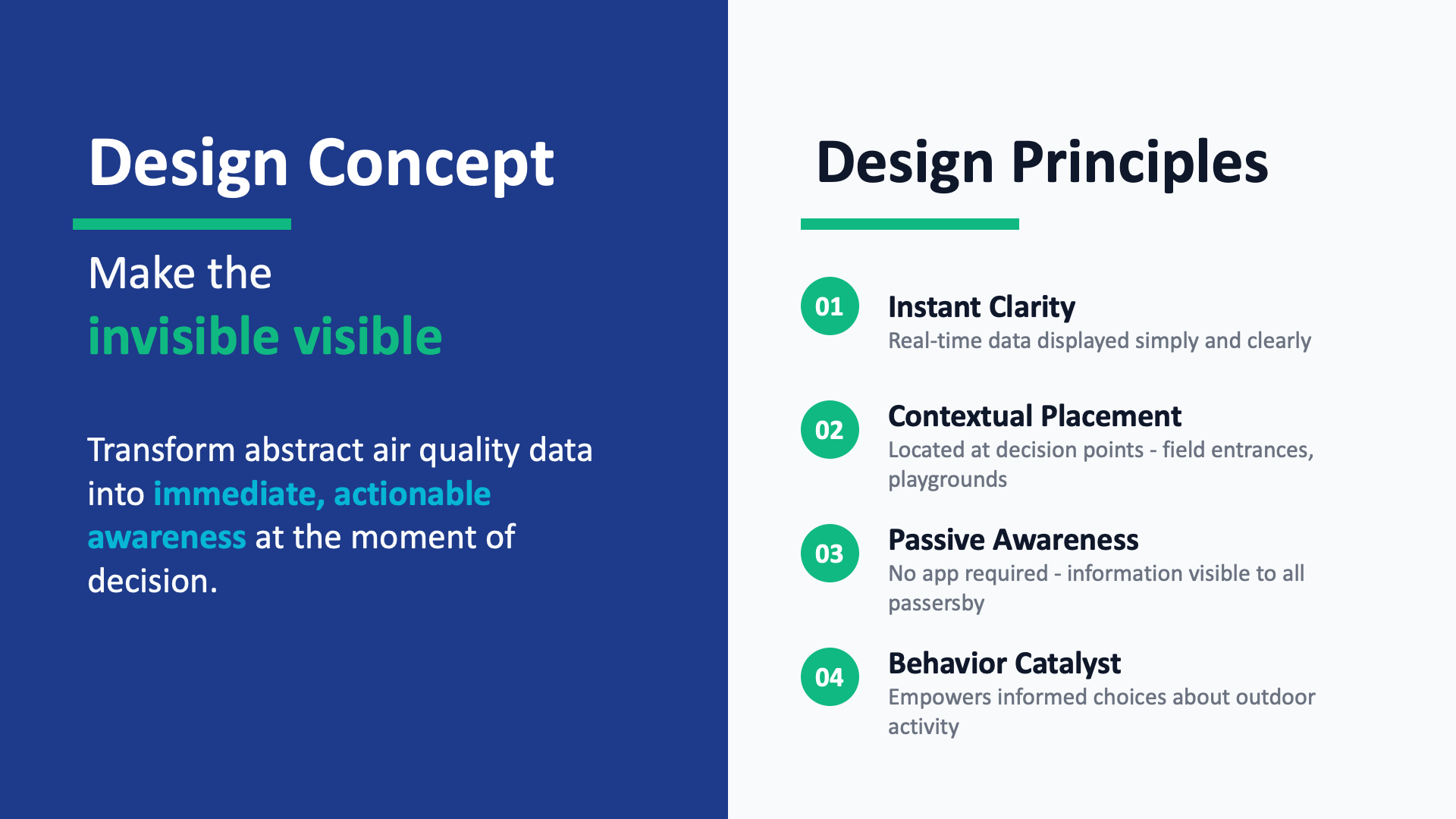
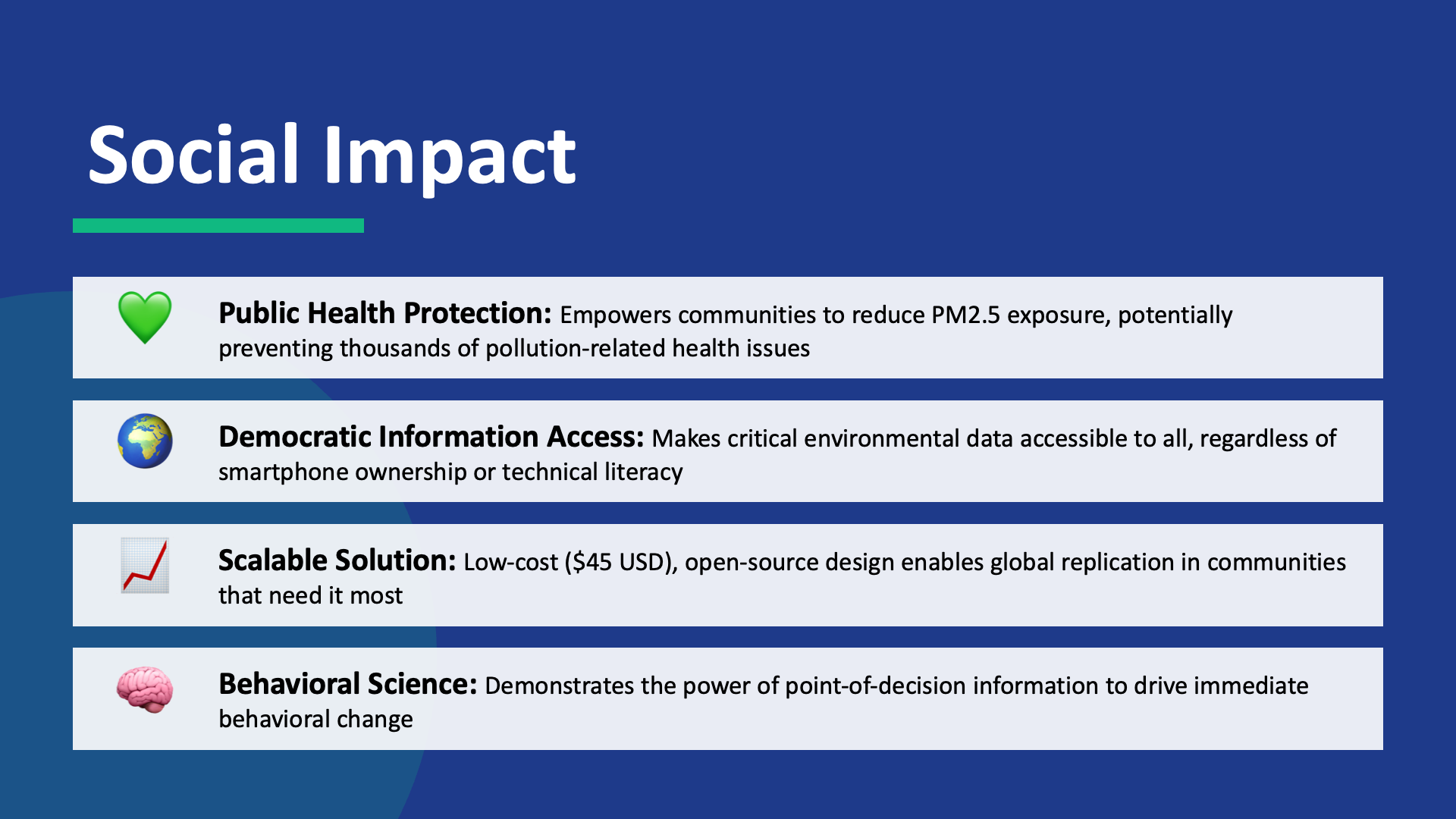
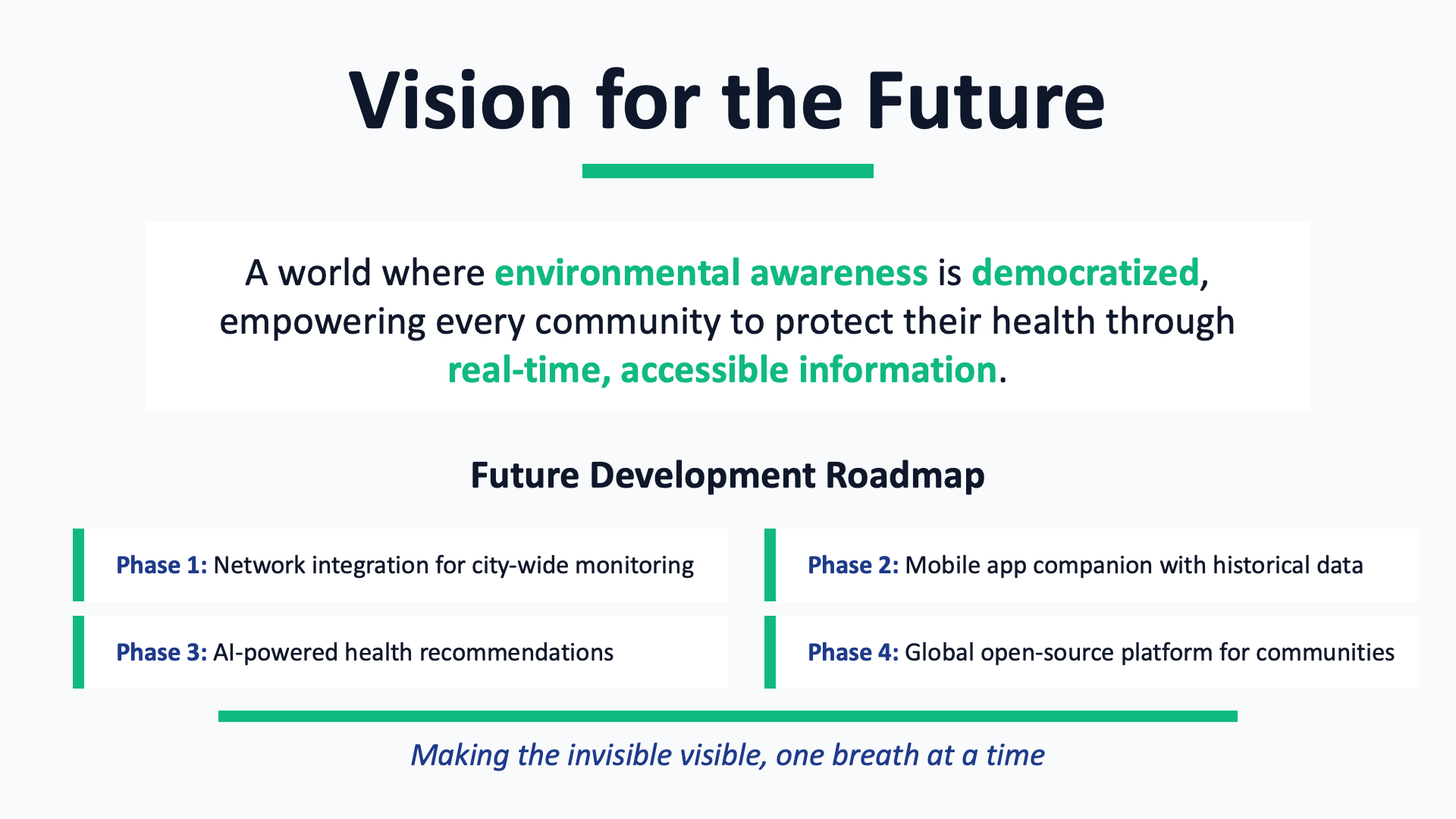
This conceptual design project effectively addresses the critical issue of air quality on campus, with a specific focus on identifying and mitigating health risks faced by students in high-pollution environments. To achieve this, the project aims to reduce exposure times through innovative technological interventions that provide timely alerts to both faculty and students.
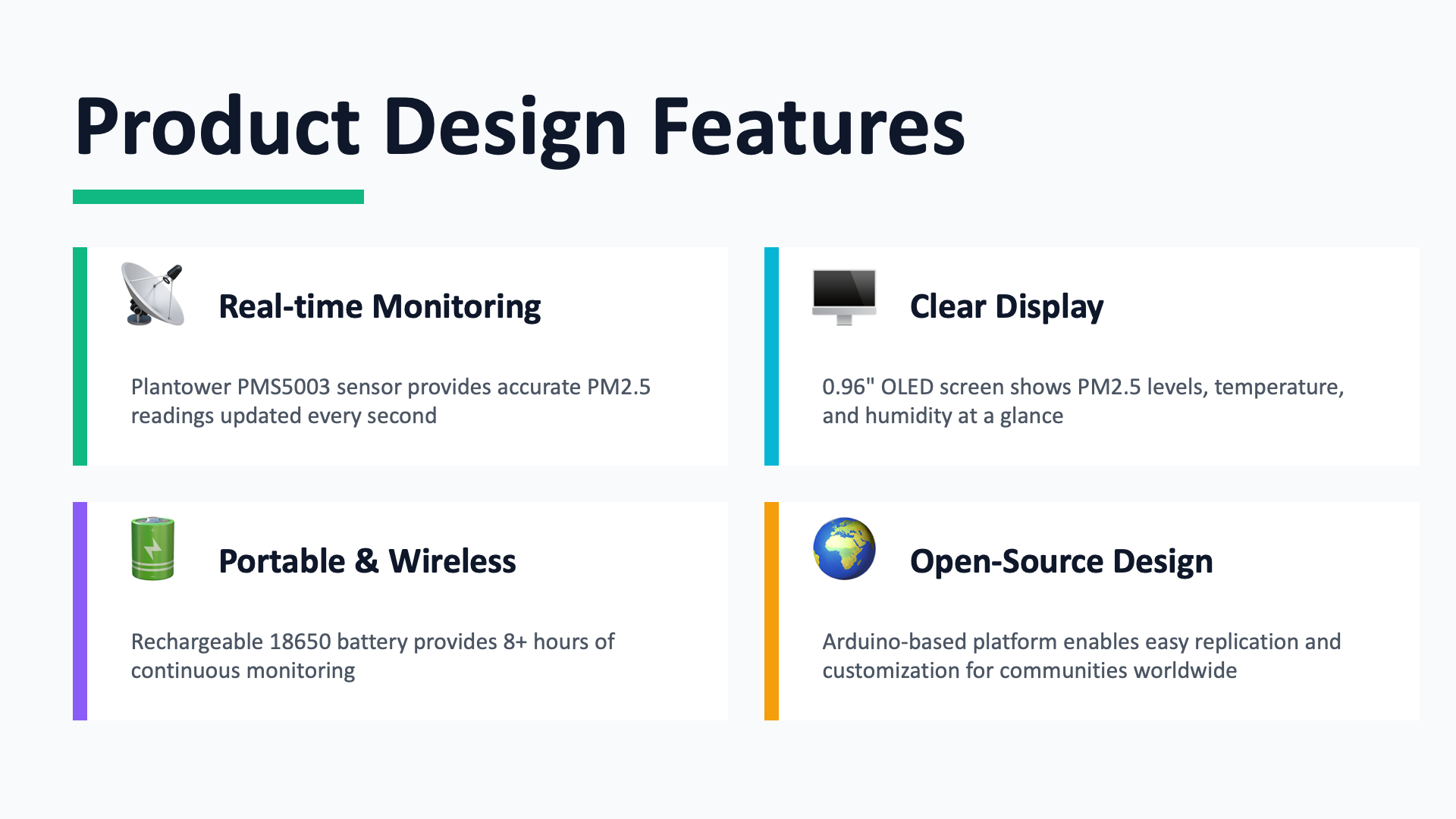
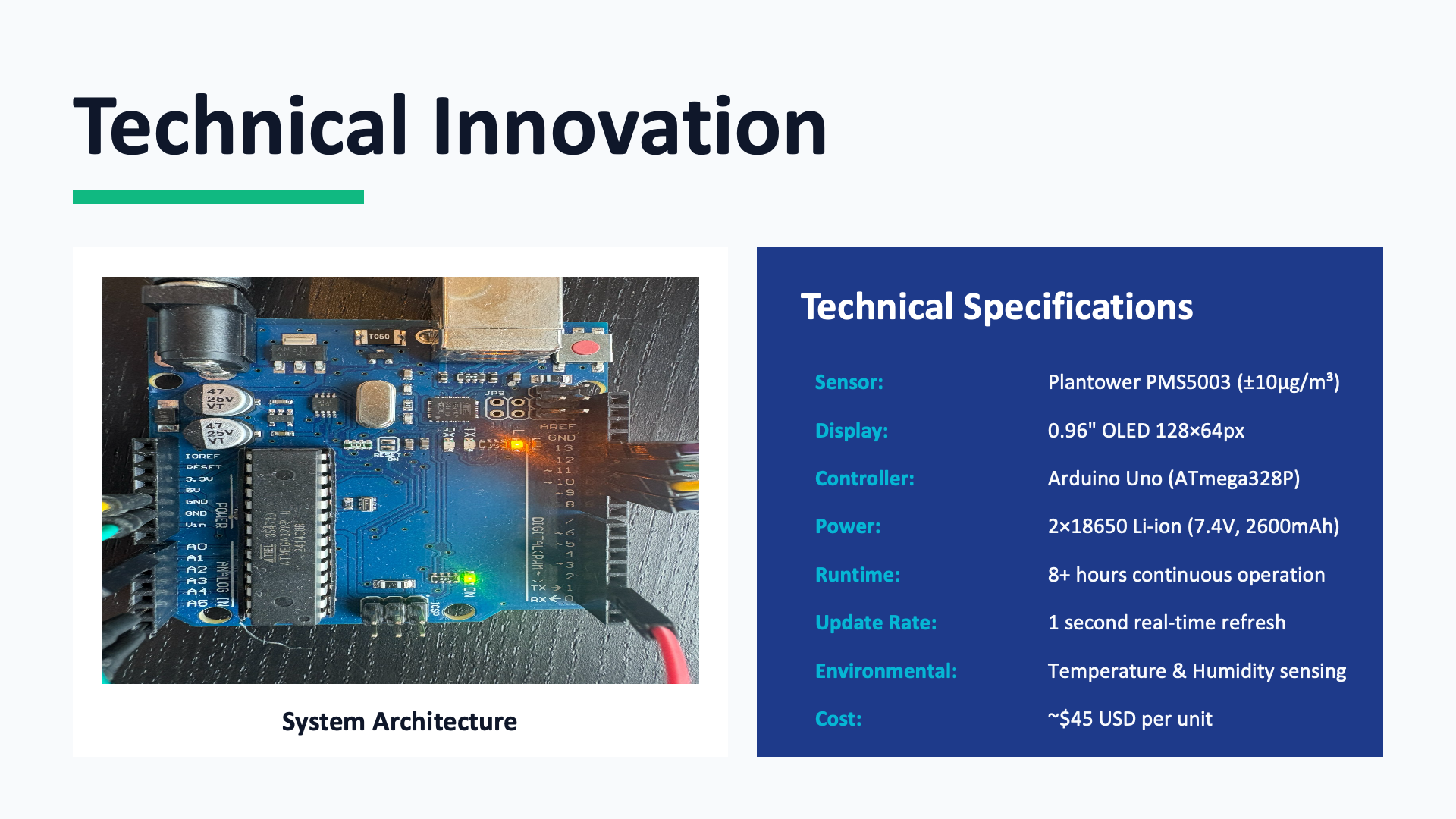
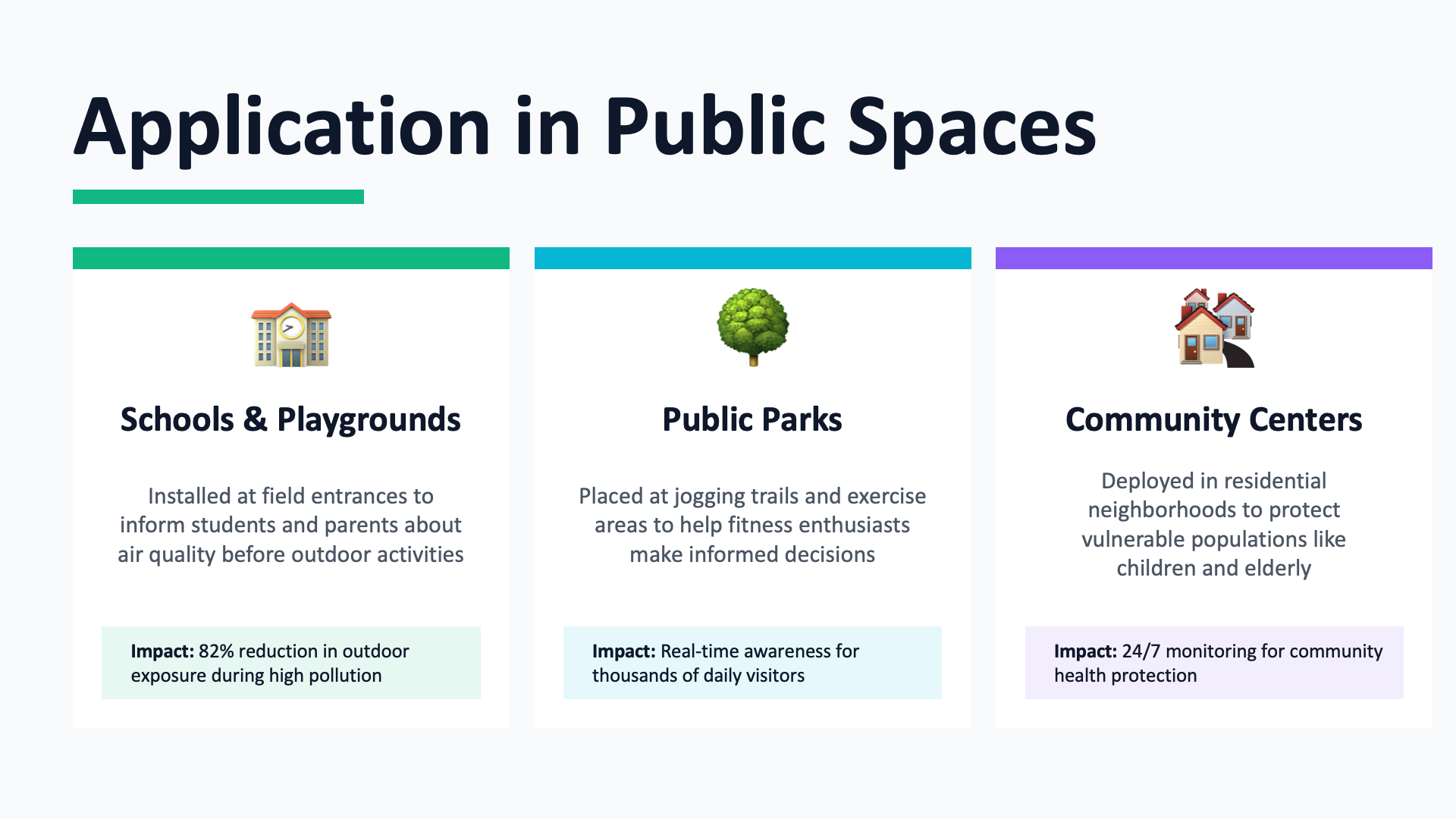
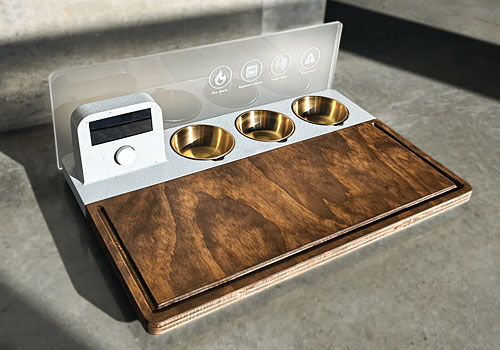
At the heart of this initiative is the AirSense-Smart Air Quality Monitor, a compact PM2.5 digital device designed with user experience in mind. Strategically installed at the entrance of the playground, this sophisticated monitor offers real-time data on particulate concentration, temperature, and humidity, thereby enhancing environmental awareness among users.
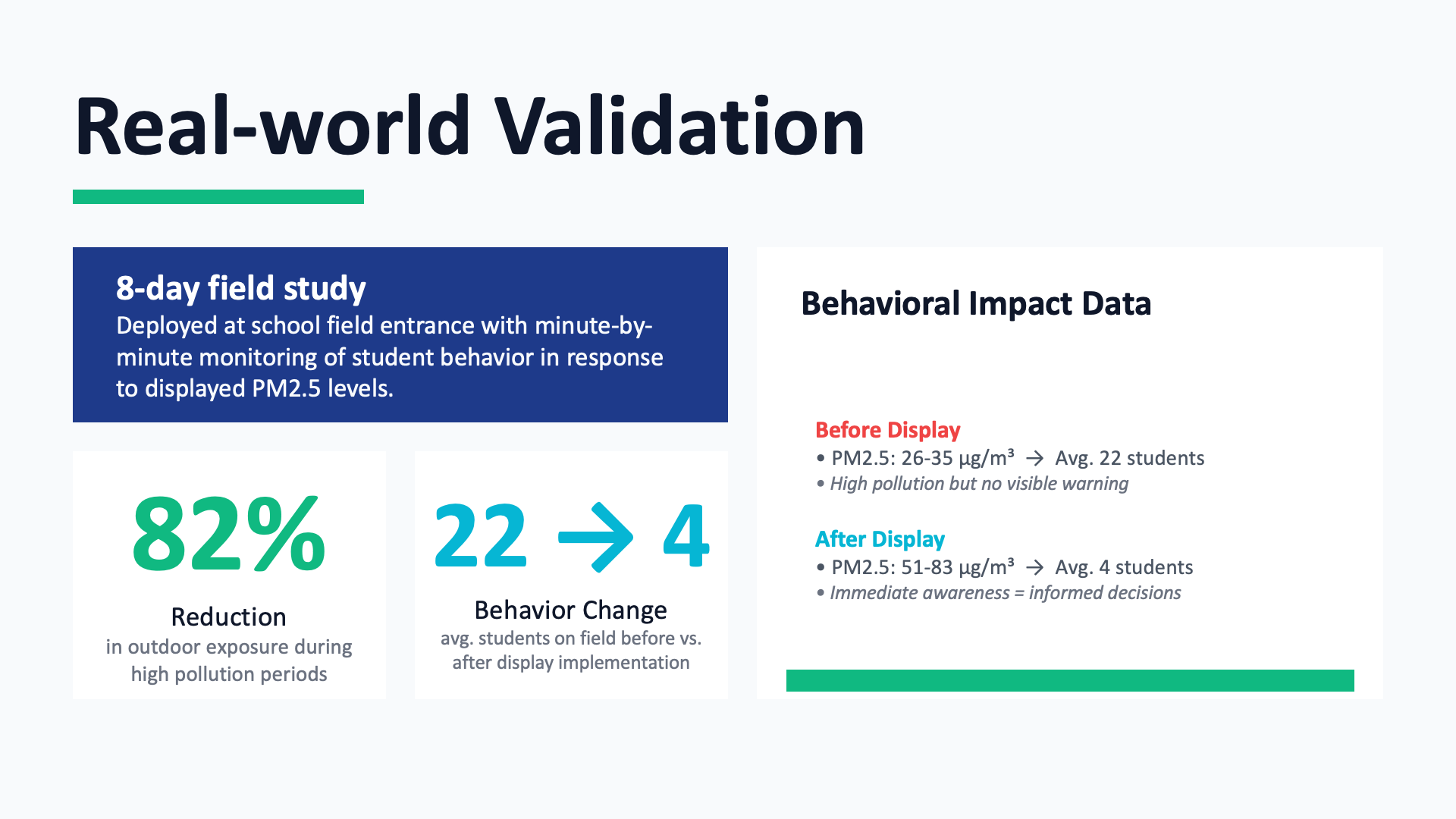
Furthermore, experimental results have revealed a significant decrease in the average time students linger outdoors during breaks following the implementation of the device. This noteworthy outcome not only highlights the effectiveness of the AirSense system but also underscores the tangible benefits of technological interventions in reducing health risks associated with poor air quality. Accordingly, this project represents a meaningful step toward creating a safer and healthier campus environment for all.
Over the course of a focused four-day observation period, our research team diligently collected data on playground usage, paying special attention to varying weather conditions and PM2.5 concentrations. Utilizing systematic sampling techniques and photo counting, we recorded the average number of students present each day. Our analysis revealed a noteworthy trend: without the assistance of monitoring devices, PM2.5 levels displayed a negative correlation with playground occupancy. Interestingly, we noted that unusual spikes in levels sometimes occurred during physical education (PE) classes or recess activities, which piqued our curiosity.
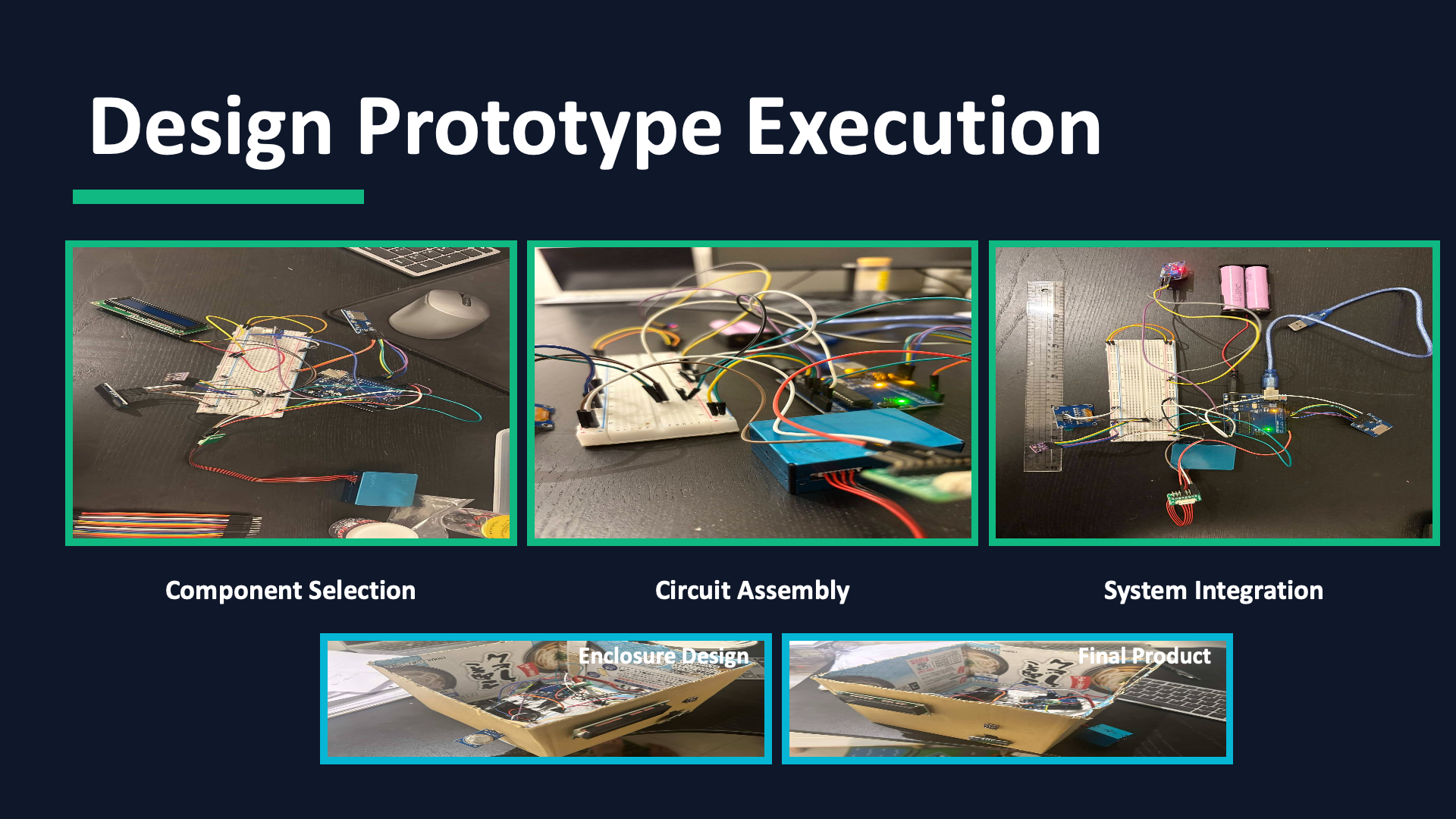
To enhance our understanding of air quality on the playground, we took an innovative approach by assembling an Arduino Plantower sensor, complete with an OLED display for real-time data visualization. This device was strategically placed at the playground entrance, allowing us to gauge its impact on student behavior. Following the activation of the sensor, we observed a marked increase in students' awareness of air quality. Foot traffic began to shift in response to real-time data changes, highlighting the powerful influence that technological alerts can have on children's decisions and behaviors.
Credits
Entrant
Meiqi Zhao
Category
Social Design - Designs for Social Impact
Country / Region
United States
Entrant
Baijiazhuang Primary School
Category
Communication Technology - 2-Way Radio Sets
Country / Region
China

Entrant
ALLTEX INDUSTRY (HK) LIMITED
Category
Decorative Items - Blanket
Country / Region
Hong Kong SAR
Entrant
Georgia Institute of Technology
Category
Lighting Innovation - Special Purpose Lighting
Country / Region
United States