
2026 Silver Winner
Furniture
GRAVITY COLLECTION
Entrant: MOKOTO LAB, SL.
2026 · Season 2
Silver
A closer look
Project gallery.
Select a thumbnail to browse. Click the main image to enlarge.
CategoryFurniture
Class / SubcategoryMiscellaneous Furniture
3D-Printed Furniture
3D-Printed Furniture
Country / Region Spain
SpainGravity is a collection shaped by an invisible force.
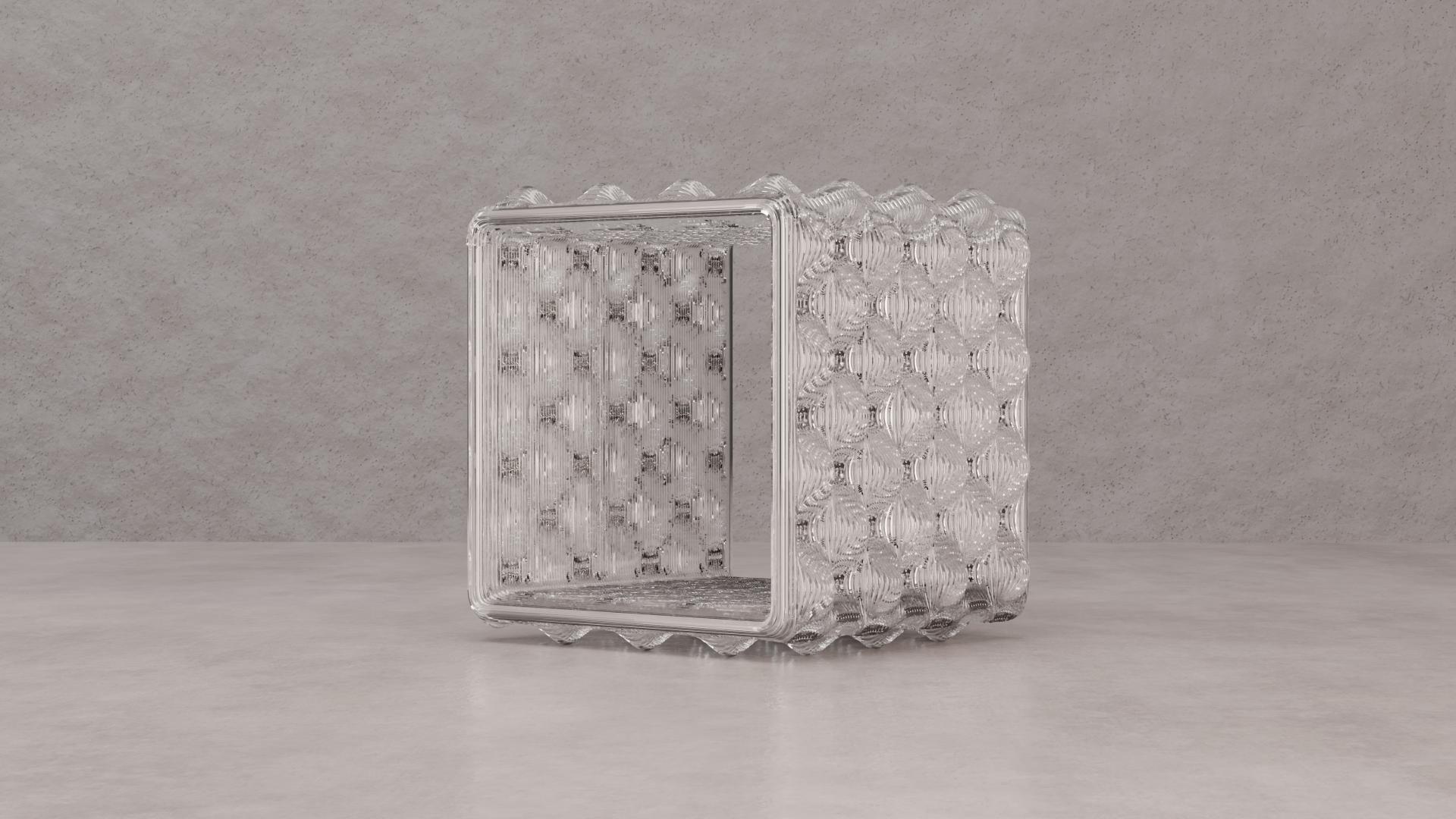
Inspired by the way gravity makes matter fall, bend, gather and settle into place, the collection translates this phenomenon into a sculptural language. Its volumes stretch, compress and pull toward one another, creating forms that feel both structured and fluid.
Gravity was conceived as more than a group of individual objects. It is a family of furniture, lighting, storage and accessories developed around the same visual language. Each piece can work independently, but the collection also invites elements to be combined, rotated, repeated and rearranged. This modular and playful approach allows Gravity to adapt to different spaces, uses and compositions, from a single object to a larger spatial system.
The same idea is explored through different typologies. Modular cubes can organize, store and display. Lighting pieces use transparency, glow and shadow to shape atmosphere. Tables and accessories introduce smaller functional elements while keeping the same sculptural character and sense of rhythm.
The collection is produced using large-format additive manufacturing, a process that allows complex geometries to be created while using material efficiently. Rather than hiding how the objects are made, Gravity makes the production process part of their identity. Visible printing layers, textures and slight variations remain present in the finished pieces, giving each one its own material character.
Recycled plastic is central to this approach. Existing material is transformed into durable, long-lasting pieces, while the layer-by-layer manufacturing process helps reduce unnecessary material waste. The choice of material is therefore not separate from the design: it influences the appearance, texture and way the collection is produced.
Transparency and repetition further define Gravity’s identity. Light interacts with its surfaces, while recurring geometries create continuity across the different pieces.
Gravity is designed as an open system rather than a fixed composition. It can grow, change and be rearranged over time, allowing the collection to evolve with the spaces and people around it while maintaining a clear and recognizable identity.
Explore the project.
Project credits.
IDEA DESIGN
Keep exploring
More winning perspectives.
Your work belongs in the conversation.
Begin Your Entry