Form
Visual character, proportions, and composition.
 Enter Award

NY Product Design Awards
Everyday living.
Thoughtfully designed.
Home Interior
The NY Product Design Awards recognizes home interior products that improve the way we live. From kitchen appliances and bathroom fittings to smart home systems, each entry puts everyday function and thoughtful design in focus.
Product designers, home brands, manufacturers, design studios, independent creators, and students worldwide.
Concepts, work in progress, and completed products created within the last five years.
Submit online. Present your design through images and supporting materials. No physical samples.
View Entry GuidelinesHome Interior Categories
Faucets combining hot and cold water for wash basins.
Coordinated bathroom fixtures sharing a consistent design and finish.
Electronically controlled fittings improving hygiene, efficiency, or user convenience.
Integrated systems delivering water, temperature control, and varied shower functions.
Fixtures distributing water for comfortable and efficient showering.
Faucets controlling water flow and temperature through one handle.
Connected appliances supporting automated bathroom hygiene and personal care.
Digital controls managing shower temperature, flow, and personalized settings.
Sensor-activated faucets providing hygienic, hands-free water control.
Taps using separate handles to control hot and cold water.
Supporting products improving bathroom organization, comfort, and daily use.
Systems removing wastewater safely and efficiently from bathroom areas.
Storage and functional furniture designed for bathroom environments.
Reflective fixtures supporting grooming while enhancing bathroom interiors.
Fabric products supporting drying, comfort, privacy, and bathroom styling.
Bathing fixtures designed for soaking, relaxation, and water-based massage.
Enclosures and systems providing showering, steam, and wellness experiences.
Sanitary fixtures and accessories supporting personal hygiene and waste removal.
Basins designed for handwashing, grooming, and everyday hygiene.
Containers and coordinated sets designed for preparing and baking food.
Bowls and tools supporting mixing, measuring, and ingredient preparation.
Coordinated cooking vessels designed for varied stovetop and oven use.
Tools supporting food preparation, portioning, measuring, and weighing.
Products organizing ingredients, utensils, cookware, and kitchen essentials.
Fabric products supporting handling, drying, cleaning, and kitchen protection.
General tools and accessories supporting food preparation and serving.
Cutting tools and storage systems supporting safe food preparation.
Cooking vessels designed for frying, boiling, roasting, or specialized dishes.
Woven or structured containers combining storage with decorative appeal.
Coordinated textiles providing comfort, warmth, and bedroom styling.
Sound-producing decorative objects activated by touch, movement, or wind.
Soft coverings providing warmth, comfort, texture, and visual interest.
Decorative supports safely holding and displaying candles.
Fragrant products creating light, scent, ambience, or ritual experiences.
Large textile floor coverings adding comfort, insulation, and interior character.
Functional decorative objects displaying and measuring time.
Window coverings controlling privacy, light, temperature, and interior style.
Soft furnishings providing comfort, support, color, and decorative texture.
Artificial or preserved arrangements used for seasonal and interior decoration.
Products displaying and preserving photographs, artwork, messages, or memories.
Decorative objects and furnishings enhancing interior character and atmosphere.
Protective storage products organizing jewelry and small valuables.
Portable decorative enclosures holding candles or other light sources.
Reflective decorative objects enhancing light, space, and interior appearance.
Freestanding elements dividing spaces while adding privacy or decoration.
Textile floor coverings defining areas and protecting walking surfaces.
Decorative vessels displaying flowers, branches, or sculptural arrangements.
Artwork and printed canvases designed for display on interior walls.
Appliances circulating or cooling air for improved indoor comfort.
Devices improving air quality by removing pollutants or excess moisture.
Devices dispersing fragrance or essential oils throughout interior spaces.
Products assisting household cleaning, maintenance, and surface care.
Powered devices deterring, trapping, or eliminating household pests.
Products detecting, preventing, containing, or responding to household fires.
Built-in or freestanding features providing heat, ambience, and visual focus.
Systems collecting, sorting, compressing, or managing household waste.
Appliances and equipment removing wrinkles and caring for garments.
Devices combining light, sound, scent, or airflow to shape ambience.
Machines supporting garment construction, alteration, and textile crafting.
Components providing safe electrical access and connections within interiors.
Compact appliances providing localized warmth for rooms or workspaces.
Appliances removing dust, debris, and dirt from household surfaces.
Appliances washing, drying, and caring for clothing and household textiles.
Kitchen layouts incorporating dedicated seating and casual dining areas.
Integrated kitchens precisely installed to suit a specific interior space.
Adaptable kitchen systems designed for movement, reconfiguration, or temporary use.
High-capacity kitchens supporting commercial food preparation and service.
Individual cabinets, surfaces, fixtures, and components forming kitchen layouts.
Freestanding central units supporting preparation, storage, seating, or cooking.
Space-efficient kitchens combining essential functions within limited areas.
Premium kitchens distinguished by materials, craftsmanship, and tailored detailing.
Kitchen storage areas organized for ingredients, supplies, and food preparation.
Connected appliances using intelligent controls, automation, or personalized operation.
High-capacity appliances designed for commercial food preparation and service.
Appliances brewing coffee and preparing heated or textured milk.
Appliances automatically cleaning plates, cookware, utensils, and glassware.
Ventilation appliances removing smoke, steam, grease, and cooking odors.
Appliances cooking food through heated oil or air circulation.
Appliances supporting grilling, tabletop cooking, and shared fondue dining.
Devices crushing or grinding coffee, spices, grains, or food ingredients.
Cooking appliances providing direct heat for pots, pans, and food.
Appliances extracting juice or blending fruit and other ingredients.
Specialized machines supporting food preparation, processing, cooking, or storage.
Appliances combining ingredients through beating, whisking, kneading, or blending.
Versatile appliances performing multiple food preparation or cooking functions.
Appliances heating, baking, roasting, reheating, or defrosting food.
Cold-storage appliances preserving fresh and frozen food.
Appliances cooking food using pressure, steam, or controlled heat.
Devices carbonating water and preparing sparkling beverages at home.
Appliances heating water or automating tea preparation.
Appliances browning bread and similar foods through controlled radiant heat.
Systems removing impurities and improving the quality of drinking water.
Renewable materials derived from biological, plant-based, or natural sources.
Decorative coverings adding pattern, texture, or color to walls.
Surface materials and finishing elements enhancing durability and appearance.
Materials and accessories forming, protecting, or finishing interior floors.
Transparent or decorative glass materials used across interior applications.
Natural or engineered leather used for upholstery and interior finishes.
Metal-based materials providing strength, texture, and decorative character.
Engineered materials combining mineral content with resins or other binders.
Manufactured materials engineered for specific performance or visual qualities.
Modular surface units used for walls, floors, and decorative finishes.
Materials covering furniture to provide comfort, protection, and visual character.
Natural and engineered wood materials used for furniture and interiors.
Connected systems automatically managing indoor temperature, airflow, and comfort.
Devices detecting movement, hazards, environmental conditions, or occupancy.
Systems monitoring and optimizing household energy use and efficiency.
New connected devices introducing original functions for home automation.
Connected systems managing household audio, video, gaming, and media.
Networked cameras and systems monitoring homes, occupants, and access points.
Connected locks and access systems controlling entry into the home.
Intelligent lift systems improving accessibility and movement between home levels.
Connected appliances and systems automating food preparation and kitchen tasks.
Networked lighting systems enabling automated, remote, or responsive control.
Connected products supporting pet feeding, monitoring, safety, and interaction.
Connected outlets enabling remote control, scheduling, and energy monitoring.
Autonomous appliances cleaning floors through vacuuming, sweeping, or mopping.
Voice-controlled platforms coordinating information and connected home devices.
Networking equipment providing reliable connectivity throughout the home.
Home products addressing environmental protection or ecological challenges.
Interior concepts informing communities and encouraging public awareness.
Home products supporting inclusion, accessibility, and community wellbeing.
Interior products promoting responsible materials, production, and long-term use.
Home concepts creating meaningful benefits for communities or underserved groups.
Environmentally responsible products reducing waste and resource consumption.
Portable vessels maintaining beverage temperature during storage or travel.
Open containers used for serving, eating, or presenting food.
Vessels designed for pouring and serving water, wine, or beverages.
Dining pieces made from ceramic or porcelain for serving food.
Vessels designed for brewing, holding, and serving coffee.
Coordinated eating utensils and specialized tools for particular foods.
Plates and serving pieces used for presenting or eating food.
Glass vessels designed for drinking and serving beverages.
Handled drinking vessels for home, work, or travel.
Containers dispensing oils, vinegar, spices, and liquid seasonings.
Decorative pieces and textiles enhancing dining presentation and atmosphere.
Coordinated vessels and accessories for brewing and serving tea.
Tools supporting wine opening, pouring, preservation, and service.
Dining and serving pieces made primarily from natural or engineered wood.
Devices measuring body weight and related personal health indicators.
Tools supporting hair detangling, styling, grooming, and scalp care.
Handheld tools supporting cosmetic application, grooming, and beauty routines.
Heated styling devices shaping, curling, smoothing, or straightening hair.
Powered devices drying and styling hair through directed airflow.
Products supporting cleanliness, sanitation, freshness, and daily personal care.
Heat and light environments supporting relaxation, recovery, and wellness.
Personal products supporting intimate comfort, care, health, and wellbeing.
Tools and devices supporting nail grooming, care, and styling.
Devices providing pressure, vibration, or movement for relaxation and recovery.
Products supporting cleaning, care, and health of teeth and gums.
Electronic devices supporting grooming, hygiene, beauty, or everyday wellbeing.
Tools and devices removing or trimming facial and body hair.
Products supporting skin cleansing, hydration, treatment, and appearance.
Devices using ultrasonic technology for personal care or wellness applications.
Supportive products providing comfort, warmth, relaxation, or improved rest.
No matching subcategories. Try a broader term or ask our team for help.
Can’t find the right fit? Each area includes a New Category option.
Ask About Your Category
2027 · Entry information
Early Bird rate. A $30 annual administrative fee applies per entrant.
Early Bird
Dec 9, 2026Regular
Jan 20, 2027Final
Feb 17, 2027Final Extension
Mar 17, 2027Full results announcementMay 14, 2027
Start Your Entry
Judging & criteria
Through blind judging, an international jury evaluates the submitted design across four criteria.
Visual character, proportions, and composition.
Originality and the thinking behind the solution.
Quality, usability, safety, and execution.
The effect on people and the environment.
Award-winning home products
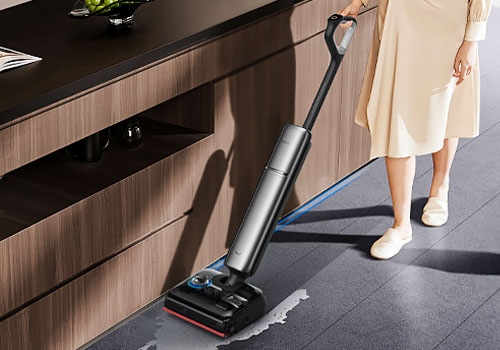
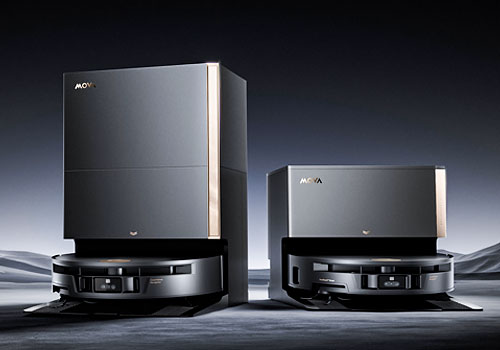

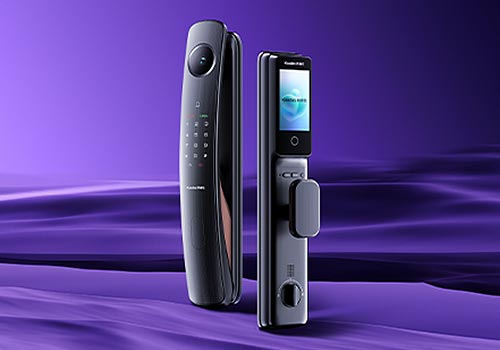
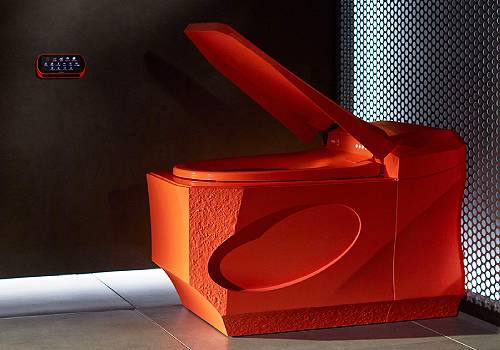
Why enter
A winner profile brings your product, entrant details, and design story together in the NY Product Design Awards gallery.
Digital certificates, winner badges, and promotional materials help communicate your award.
Winner interview access offers a way to share the people, process, and decisions behind your work.
Explain the problem, intended users, and decisions that make the design work. Keep your written description to 350 words or less.
Show the product clearly, including its materials, controls, dimensions, and key details. Include views that demonstrate how it fits into daily use at home.
Use drawings, a PDF, or a short video to explain installation, operation, maintenance, or features that still images cannot show.
Before you enter
Questions about entering your home interior product?
Talk to Our TeamProduct designers, home brands, manufacturers, design studios, independent creators, and students worldwide may enter.
Yes. Concepts, work in progress, and completed products are eligible. Explain the project’s development stage clearly. Work submitted must have been created within the last 5 years.
No. Entries are submitted and judged online using your images, description, and supporting materials. Physical samples are not required.
Yes. Select each relevant subcategory when submitting. Additional-category pricing applies when submitted with your first entry; later submissions are charged at the first-entry rate.
Present the overall design, important details, and how the product works. Use clear images and a concise description of the purpose, design decisions, and intended users. Include supporting drawings, a PDF, or a video link where helpful.
An international jury evaluates entries through blind judging using Form, Creativity & Innovation, Finishing & Functionality, and Impact. See the Awards page for the judging process and award levels.
NY Home Interior Product Design Awards