Form
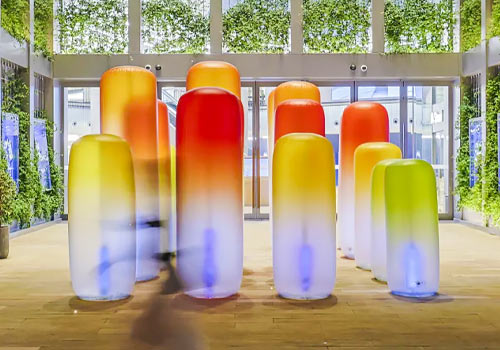
Visual character, proportions, and composition.
 Enter Award

NY Product Design Awards
Intuitive by nature.
Exceptional by design.
Interface & User Experience
The NY Product Design Awards recognizes interfaces and experiences that make complex things feel simple. From digital products to interactive environments, celebrate design that puts people first.
UX and UI designers, product teams, technology companies, studios, independent creators, and students worldwide.
Concepts, work in progress, and completed products created within the last five years.
Submit online. Present your design through images and supporting materials. No physical samples.
View Entry GuidelinesInterface & User Experience Categories
Experiences designed for equitable access across abilities, backgrounds, and needs.
Interactions helping users understand, direct, and collaborate with AI systems.
Experiences adapting content, features, or journeys to individual user needs.
Experiences integrating digital content with real-world surroundings through augmented reality.
Experiences expressing a brand consistently across digital and physical touchpoints.
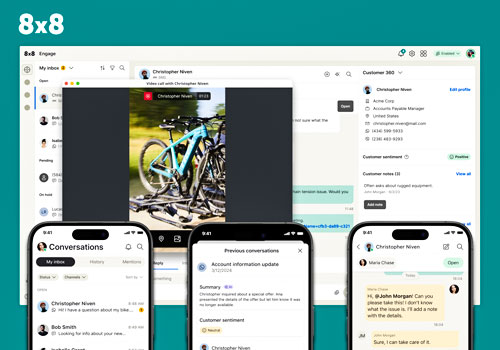
Experiences supporting clear messaging, conversation, collaboration, and information exchange.
Experiences making complex data understandable through dashboards and visual storytelling.
Structured systems ensuring consistent design, behavior, and usability across products.
Experiences supporting effective teaching, learning, assessment, and knowledge retention.
Experiences designed for engaging games, media, storytelling, and digital entertainment.
Experiences simplifying secure banking, payments, investing, and financial management.
Experiences using game mechanics to encourage participation, progress, and engagement.
Experiences supporting healthcare access, personal wellbeing, and healthy behaviors.
Experiences guiding interaction within buildings, interiors, and designed environments.
Experiences combining physical, digital, visual, audio, and interactive media.
Experiences extending packaging through usability, information, interaction, or digital features.
End-to-end experiences shaping how people use and understand products.
Experiences supporting product discovery, purchasing, service, and online retail.
Experiences enabling interaction with digital content across three-dimensional environments.
Experiences encouraging environmentally responsible choices, behaviors, and resource use.
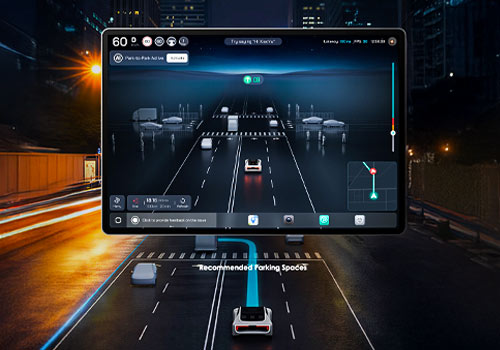
Experiences supporting transportation, mobility services, and in-vehicle human-machine interaction.
Experiences enabling natural control and communication through spoken language.
Decentralized experiences supporting digital ownership, participation, and online communities.
Experiences improving productivity, collaboration, and complex organizational workflows.
Interfaces enabling natural communication and task completion through AI conversations.
Low-light interfaces balancing readability, contrast, comfort, and visual consistency.
Interfaces presenting complex information through clear dashboards and data visualizations.
Reusable interface components and standards supporting consistent digital products.
Interfaces designed around fairness, accessibility, transparency, and user wellbeing.
Interfaces supporting interaction within virtual, augmented, and three-dimensional environments.
Interfaces created for streaming, publishing, entertainment, and digital content platforms.
Small interface responses guiding actions, confirming changes, or providing feedback.
Visual controls enabling users to operate and understand digital or physical products.
Interfaces combining voice, touch, gesture, vision, or other input methods.
Interactive media using experimentation, algorithms, or generative processes.
Interactive experiences combining virtual, augmented, or mixed reality environments.
Interfaces responding to people, movement, and conditions within physical spaces.
Immersive experiences supporting active learning, exploration, and knowledge retention.
Physical or digital installations inviting audience participation and interaction.
Interactive environments using coordinated light and sound to shape experiences.
Animated visual communication using movement, typography, graphics, and timing.
Projected visuals mapped precisely onto architecture, objects, or physical surfaces.
No matching subcategories. Try a broader term or ask our team for help.
Can’t find the right fit? Each area includes a New Category option.
Ask About Your Category
2027 · Entry information
Early Bird rate. A $30 annual administrative fee applies per entrant.
Early Bird
Dec 9, 2026Regular
Jan 20, 2027Final
Feb 17, 2027Final Extension
Mar 17, 2027Full results announcementMay 14, 2027
Start Your Entry
Judging & criteria
Through blind judging, an international jury evaluates the submitted design across four criteria.
Visual character, proportions, and composition.
Originality and the thinking behind the solution.
Quality, usability, safety, and execution.
The effect on people and the environment.
Award-winning interfaces & experiences
Why enter
A winner profile brings your product, entrant details, and design story together in the NY Product Design Awards gallery.
Digital certificates, winner badges, and promotional materials help communicate your award.
Winner interview access offers a way to share the people, process, and decisions behind your work.
Explain the problem, intended users, and decisions that make the design work. Keep your written description to 350 words or less.
Show key screens, user flows, and interaction states. Include context that explains how people navigate, understand, and use the experience.
Use a short walkthrough video, prototype link, or PDF to explain transitions, feedback, and interactions that still images cannot show.
Before you enter
Questions about entering your interface or experience?
Talk to Our TeamUX and UI designers, product teams, technology companies, studios, independent creators, and students worldwide may enter.
Yes. Concepts, work in progress, and completed products are eligible. Explain the project’s development stage clearly. Work submitted must have been created within the last 5 years.
No. Entries are submitted and judged online using your images, description, and supporting materials. Physical samples are not required.
Yes. Select each relevant subcategory when submitting. Additional-category pricing applies when submitted with your first entry; later submissions are charged at the first-entry rate.
Explain the user need, your design decisions, and the experience you created. Show key screens and user flows; include a walkthrough or prototype link where helpful. Keep the written description to 350 words or less.
An international jury evaluates entries through blind judging using Form, Creativity & Innovation, Finishing & Functionality, and Impact. See the Awards page for the judging process and award levels.
NY Interface & User Experience Design Awards