Form
Visual character, proportions, and composition.
 Enter Award

Conceptual
The NY Product Design Awards recognizes conceptual products that explore new possibilities, from experimental objects to ideas that rethink how we live, work, and move.
Designers, studios, brands, research teams, independent creators, and students worldwide.
Concepts, work in progress, and completed products created within the last five years.
Submit online. Present your design through images and supporting materials. No physical samples.
View Entry GuidelinesConceptual Categories
Concept vehicles balancing mobility, performance, safety, and user experience.
Commercial transport concepts improving efficiency, capacity, safety, or operations.
Mobile living concepts combining transportation with comfort and functionality.
Rail and aviation concepts advancing passenger travel, efficiency, or safety.
Accessories enhancing vehicle functionality, convenience, protection, or personalization.
Emerging technologies improving vehicle intelligence, connectivity, safety, or sustainability.
Concept boats and watercraft designed for transport, leisure, or sport.
Concept apparel and accessories supporting children’s comfort, movement, and development.
Bathing concepts improving safety, comfort, hygiene, and caregiver convenience.
Child car-seat concepts prioritizing safety, comfort, and easy installation.
Feeding concepts supporting preparation, serving, independence, and reduced mess.
Child-focused furniture balancing safety, adaptability, comfort, and playful design.
Portable gear supporting children and caregivers during daily activities or travel.
Health concepts supporting children’s monitoring, treatment, hygiene, and wellbeing.
Nursery concepts creating safer, calmer, and more functional care environments.
Products helping children develop independent and hygienic toileting habits.
Concepts supporting comfort, health, and wellbeing throughout pregnancy and recovery.
Child-safety concepts preventing injuries and improving supervision or protection.
Inclusive concepts addressing social, developmental, educational, or accessibility needs.
Stroller concepts improving mobility, comfort, safety, and caregiver convenience.
Play concepts encouraging learning, creativity, movement, and social development.
Concept devices for creating, delivering, or experiencing audio and video.
Technologies enabling clearer, faster, and more accessible human communication.
Computing concepts improving information access, processing, productivity, or collaboration.
Components and accessories enhancing computer performance, usability, or adaptability.
Digital product concepts introducing useful, intuitive, or connected experiences.
Forward-looking technologies exploring emerging needs, capabilities, and interactions.
Concept devices for capturing, processing, enhancing, or displaying visual information.
Mobile device concepts improving communication, productivity, entertainment, or accessibility.
Networking concepts enabling secure, reliable, and efficient digital connectivity.
Technology concepts supporting recreation, hobbies, entertainment, and leisure activities.
Robotic concepts combining intelligent operation, automation, and human interaction.
Technology concepts addressing accessibility, inclusion, community, or social challenges.
Wireless concepts enabling flexible connectivity, communication, control, or data exchange.
Concept clothing and accessories exploring function, expression, comfort, or sustainability.
Contemporary interpretations of traditional, cultural, or regionally significant clothing.
Eyewear concepts combining vision, protection, comfort, and personal expression.
Jewelry concepts exploring adornment, craftsmanship, materials, and personal meaning.
Bag and luggage concepts improving storage, portability, organization, and travel.
Inclusive fashion concepts addressing accessibility, communities, or social challenges.
Watch concepts combining timekeeping, craftsmanship, technology, and personal style.
Wedding apparel concepts reimagining ceremonial clothing, accessories, and personal expression.
Furniture concepts designed for commercial, hospitality, retail, or public environments.
Coordinated furniture collections offering consistent function, form, and visual identity.
Original furniture concepts not defined by conventional product classifications.
Seating concepts prioritizing comfort, support, adaptability, and user experience.
Inclusive furniture concepts addressing accessibility, community, or social needs.
Furniture concepts for organizing, storing, presenting, or displaying objects.
Solutions supporting furniture care, organization, upkeep, or extended usability.
Table and desk concepts supporting dining, working, studying, or collaboration.
Concept accessories enhancing gaming comfort, immersion, organization, or performance.
Input concepts enabling intuitive control, interaction, movement, or gameplay.
Inclusive gaming concepts addressing accessibility, community, or social impact.
Concept equipment supporting music creation, performance, recording, or production.
Instrument concepts exploring new sounds, interactions, materials, or playing methods.
Creative gift and novelty concepts offering memorable or playful experiences.
Pet-product concepts supporting animal care, enrichment, comfort, or companionship.
Personal mobility concepts for recreation, commuting, exploration, or sport.
Leisure concepts addressing inclusion, community participation, or social wellbeing.
Toy concepts encouraging creativity, entertainment, interaction, or skill development.
Bathroom concepts combining fixtures, appliances, comfort, and functional innovation.
Sanitary concepts improving hygiene, accessibility, water use, or user comfort.
Cooking concepts improving food preparation, handling, baking, or serving.
Decorative concepts enhancing interior atmosphere, expression, and visual identity.
Home appliance concepts improving everyday comfort, cleaning, care, or convenience.
Kitchen furniture concepts optimizing preparation, storage, movement, and social use.
Kitchen appliance concepts supporting efficient preparation, cooking, and food storage.
Material and surface concepts exploring performance, appearance, tactility, or sustainability.
Home concepts addressing accessibility, inclusion, wellbeing, or social challenges.
Tableware concepts improving dining, serving, presentation, and user experience.
Personal-care concepts supporting hygiene, beauty, relaxation, and everyday wellbeing.
Industrial concepts advancing machinery, production, automation, safety, or efficiency.
Climate-control concepts improving heating, cooling, ventilation, comfort, or sustainability.
Robotic concepts supporting industrial, service, domestic, or collaborative applications.
Engineering concepts addressing accessibility, public benefit, or social challenges.
Tool concepts improving precision, safety, usability, productivity, or portability.
Experience concepts improving how people navigate, understand, and use services.
Interface concepts presenting information and controls clearly, intuitively, and accessibly.
Interactive concepts shaping responsive exchanges between people, products, and environments.
Exterior architectural concepts enhancing buildings, landscapes, safety, and nighttime identity.
Interior architectural concepts shaping atmosphere, orientation, function, and spatial experience.
Indoor lighting concepts supporting comfort, activities, ambience, and energy efficiency.
Concept lamps and luminaires combining illumination, function, and expressive form.
Components improving lighting performance, assembly, control, adaptability, or maintenance.
Experimental concepts advancing how light is produced, experienced, or applied.
Integrated lighting concepts coordinating illumination, controls, sensors, and connected operation.
Outdoor lighting concepts supporting safety, navigation, ambience, and environmental compatibility.
Medical concepts supporting diagnosis, treatment, monitoring, surgery, or clinical care.
Healthcare concepts improving prevention, recovery, caregiving, and patient wellbeing.
Inclusive medical concepts addressing access, public health, or underserved communities.
Bicycle concepts and accessories improving mobility, safety, performance, or comfort.
Fitness concepts supporting exercise, training, recovery, and physical wellbeing.
Outdoor furniture concepts designed for comfort, durability, and environmental exposure.
Garden concepts supporting maintenance, cultivation, landscaping, and outdoor living.
Camping concepts improving shelter, cooking, mobility, comfort, and preparedness.
Outdoor concepts addressing accessibility, inclusion, community, or environmental needs.
Sports concepts improving training, participation, protection, or athletic performance.
Accessories supporting sports preparation, organization, monitoring, safety, or convenience.
Beverage packaging concepts improving protection, dispensing, portability, and brand experience.
Packaging for personal care, wellness, cosmetic, and health-related products.
Packaging concepts expressing distinctive brand identity, values, and recognition.
Food packaging concepts supporting freshness, safety, serving, and convenience.
Packaging concepts for household, leisure, lifestyle, and specialist products.
Inclusive packaging addressing accessibility, communities, or wider social needs.
Student-developed packaging demonstrating originality, relevance, and design potential.
Packaging concepts reducing environmental impact through materials, reuse, or efficiency.
Wearable sensors measuring bodily activity, movement, health, or environmental conditions.
Wearable support systems enhancing strength, mobility, rehabilitation, or physical protection.
Head-worn display concepts delivering immersive, augmented, or hands-free information.
Wearable health concepts supporting monitoring, therapy, rehabilitation, or personal care.
Technology-integrated garments combining everyday wear with responsive digital functions.
Connected jewelry combining adornment with communication, monitoring, or interactive functions.
Wearable concepts addressing accessibility, safety, inclusion, or social challenges.
Body-worn camera concepts supporting documentation, safety, communication, or recreation.
Wrist-worn and handheld concepts enabling monitoring, communication, or intuitive control.
Workplace furniture concepts supporting comfort, focus, collaboration, and adaptable working.
Office products supporting organization, communication, creativity, and daily productivity.
Workplace concepts addressing accessibility, wellbeing, inclusion, or community needs.
No matching subcategories. Try a broader term or ask our team for help.
Can’t find the right fit? Each area includes a New Category option.
Ask About Your Category
2027 · Entry information
Early Bird rate. A $30 annual administrative fee applies per entrant.
Early Bird
Dec 9, 2026Regular
Jan 20, 2027Final
Feb 17, 2027Final Extension
Mar 17, 2027Full results announcementMay 14, 2027
Start Your Entry
Judging & criteria
Through blind judging, an international jury evaluates the submitted design across four criteria.
Visual character, proportions, and composition.
Originality and the thinking behind the solution.
Quality, usability, safety, and execution.
The effect on people and the environment.
Award-winning concepts
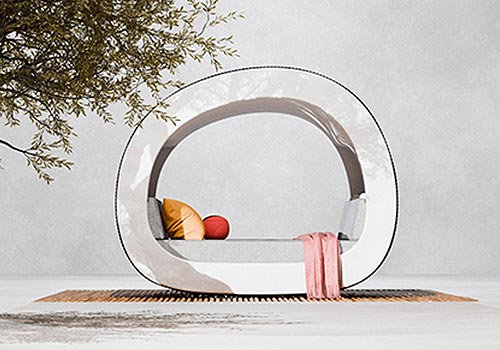

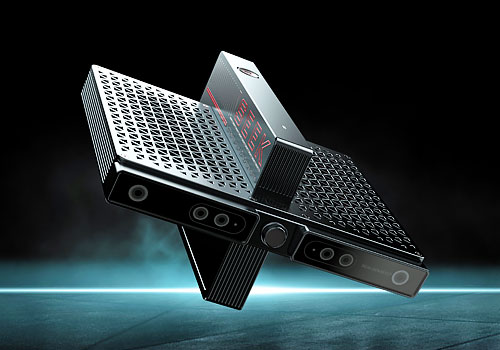
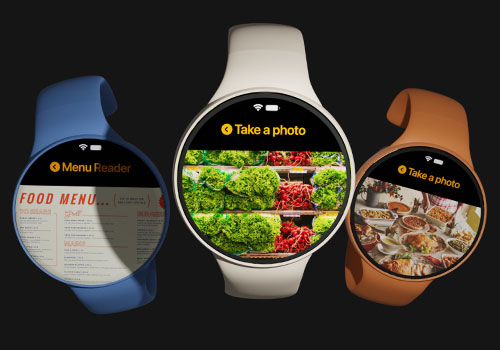
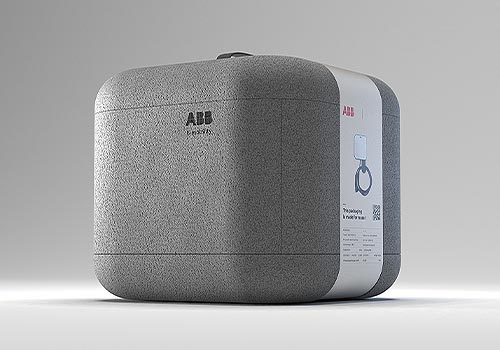
Why enter
A winner profile brings your product, entrant details, and design story together in the NY Product Design Awards gallery.
Digital certificates, winner badges, and promotional materials help communicate your award.
Winner interview access offers a way to share the people, process, and decisions behind your work.
Explain the problem, intended users, and decisions that make the design work. Keep your written description to 350 words or less.
Use clear renderings, models, or prototype photographs to show the concept’s scale, materials, key features, and intended use.
Use development drawings, a PDF, or a video link to explain the proposed function and how the idea has evolved.
Designers, studios, brands, research teams, independent creators, and students worldwide may enter.
No. Concepts and work in progress are eligible. Explain the project’s development stage clearly and distinguish proposed features from tested results. Work submitted must have been created within the last 5 years.
No. Entries are submitted and judged online using your images, description, and supporting materials. Physical samples are not required.
Yes. Select each relevant subcategory when submitting. Additional-category pricing applies when submitted with your first entry; later submissions are charged at the first-entry rate.
Present the overall design, important details, and how the product works. Use clear images and a concise description of the purpose, design decisions, and intended users. Include supporting drawings, a PDF, or a video link where helpful.
An international jury evaluates entries through blind judging using Form, Creativity & Innovation, Finishing & Functionality, and Impact. See the Awards page for the judging process and award levels.
NY Conceptual Design Awards